


Traditional leaders’ role in sanitation: Lessons from Kaputa, Zambia
Among other programmes, Zambia is rolling out interventions that are aimed at...

Human rights, discrimination and sanitation: A precarious reality for Travellers
About the author: Regan John is a Masters student at the University...
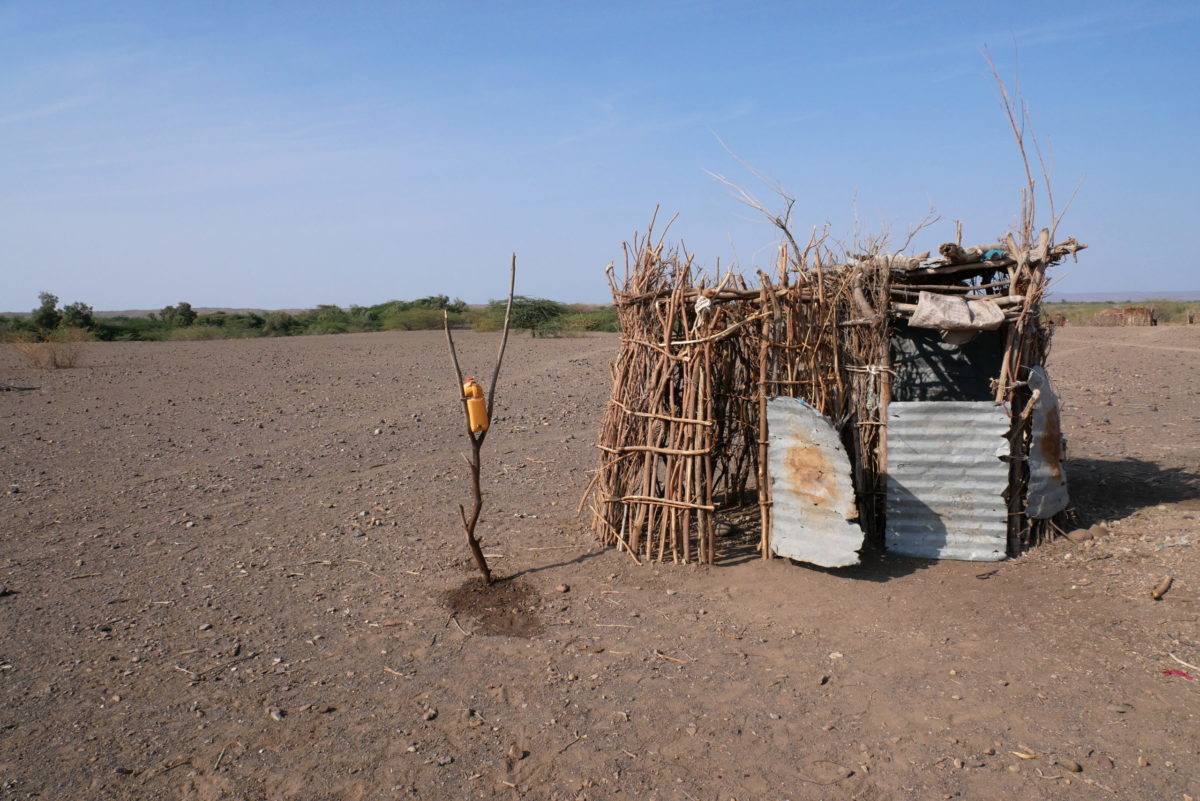
Developing guidance for rural sanitation in challenging contexts
The Sanitation Learning Hub, WaterAid and UNICEF are collaborating on an evidence-based...
More than 6.2: Highlighting WASH in other SDGs
Research published by UCL in 2021 highlighted synergies between sanitation and all...
Assessing our own gender equality and social inclusion credentials
Earlier this year, the Sanitation Learning Hub team published a call for...
Integrating quality improvement approaches in health centres’ sanitation and hygiene promotion in Omoro District, Uganda
Poor WASH services compromise the ability to provide safe and quality healthcare,...
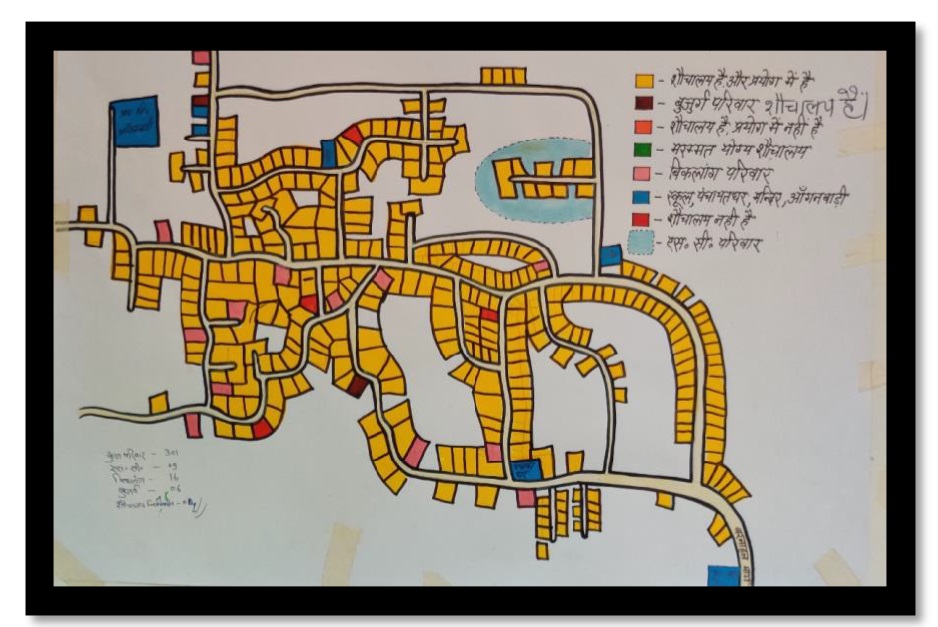
Prerakhs’ reflections on Community Leave No One Behind approach
Last year WSSCC’s India Support Unit piloted a new participatory approach called...
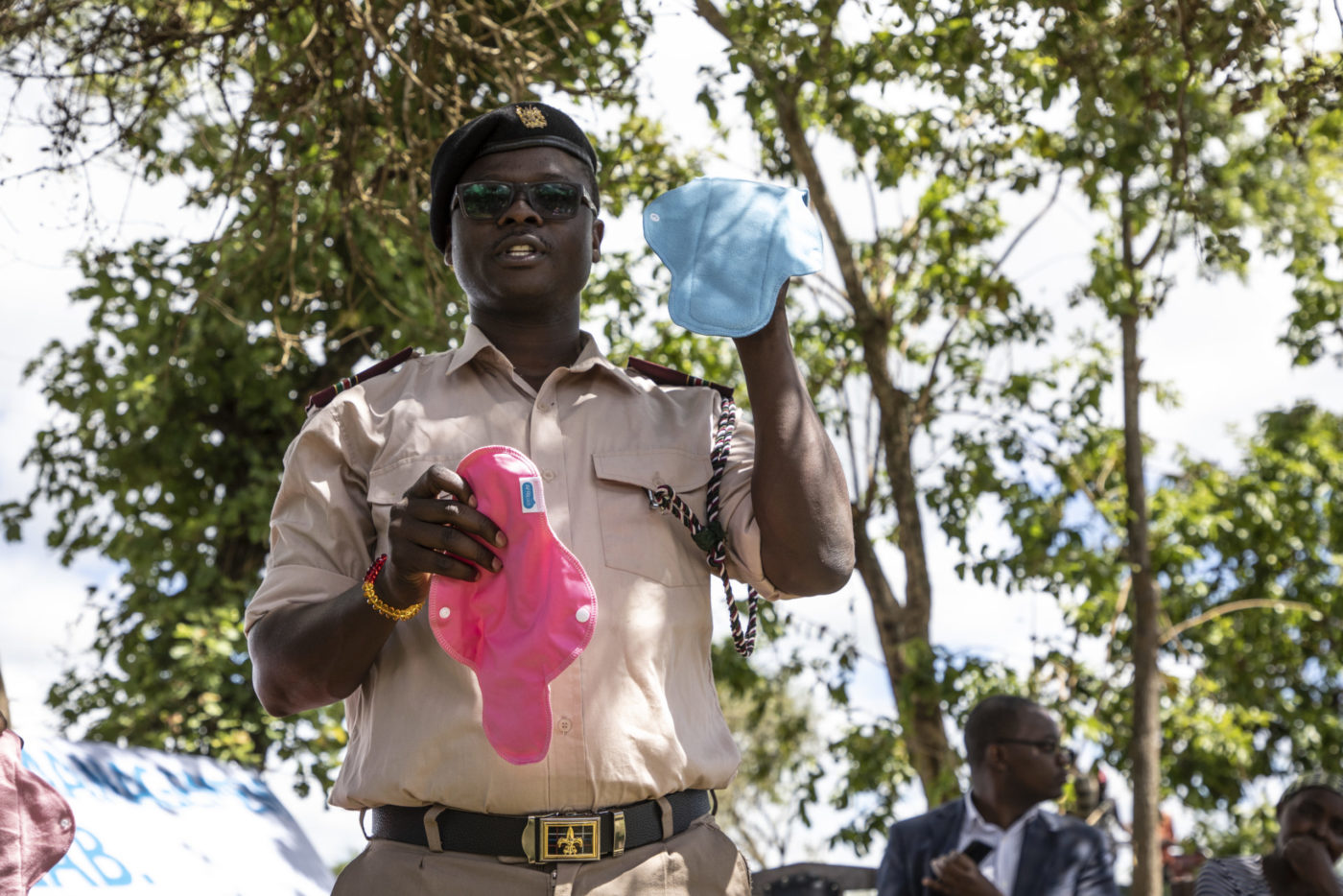
Call a period a period: Exploring the language and knowledge of menstruation
Period stigma and language Shame and stigma around menstruation are universal. Inappropriate, incomprehensible or...
